Sun Control · 10 July 2026
How to Reduce Heat from Windows Without Blocking Light
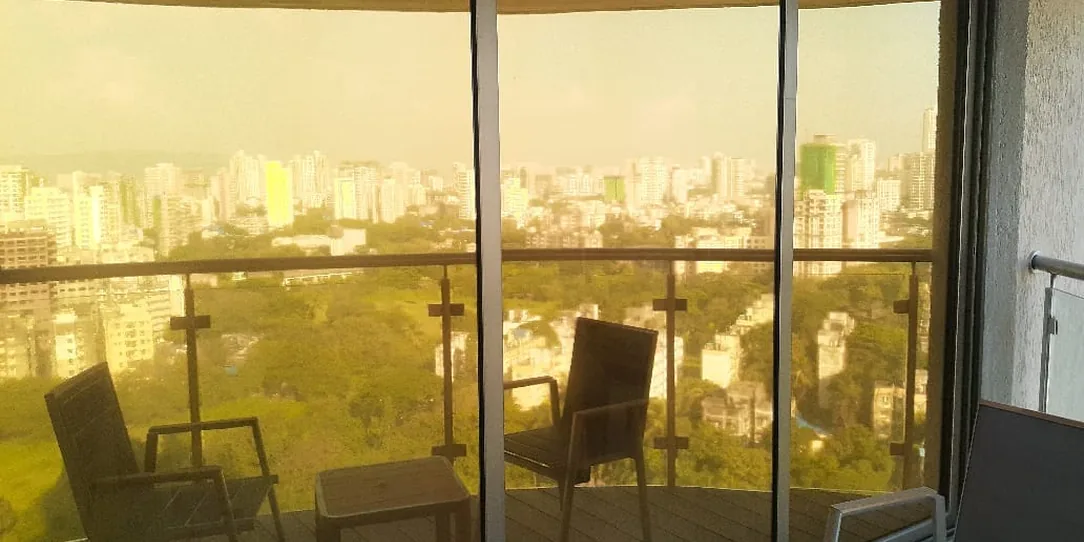
If your living room becomes unusable after 3 PM, the problem isn't your AC — it's your glass. Ordinary window glass lets through most of the sun's heat energy, and once that heat is inside, your AC fights a losing battle. The good news: you can block most of that heat at the glass itself, without giving up daylight or your view.
Why windows are the biggest heat source
Solar energy arrives as visible light, infrared (heat), and UV. Plain glass passes almost all of it. A west-facing window can pump the equivalent of a room heater's worth of energy into your room through the afternoon — which is why that one room is always 4–6 degrees hotter than the rest of the house.
Option 1: Sun control films (fix it at the glass)
Sun control films are thin layers applied to your existing glass that reflect and absorb solar energy before it enters. Good films reject 40–80% of total solar heat while still transmitting plenty of daylight. Ceramic films do this without a mirror-like appearance, which most homeowners prefer.
- Heat rejection: up to 80% with high-spec films
- Light: shades from nearly clear to dark tint — you choose
- Bonus: 99% UV block, which stops furniture fading
- Installed in hours on your existing windows
Option 2: Blinds and curtains (manage it inside)
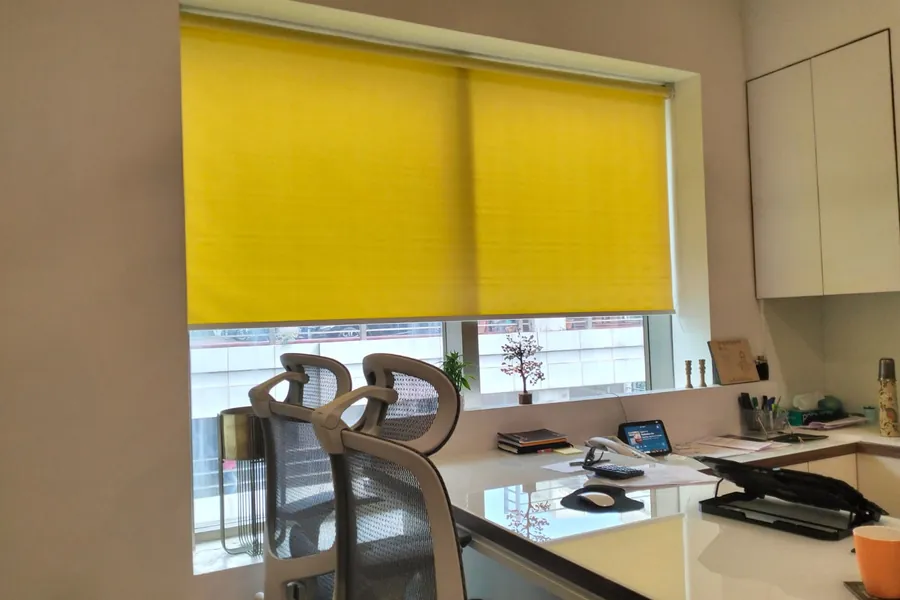
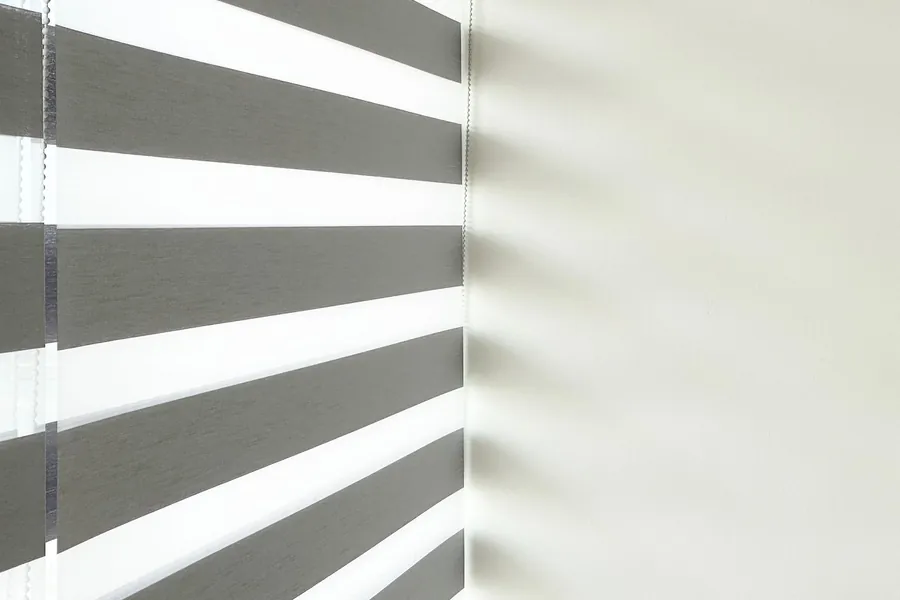
Blinds control glare and light beautifully, but they intercept heat after it has already passed through the glass — so the heat is still in your room, just behind fabric. Sunscreen roller blinds reflect a useful portion back out, and they're the right tool when you also want adjustable privacy. For serious heat problems, blinds work best combined with film, not instead of it.
Option 3: External shading (best physics, hardest retrofit)
Awnings and external louvres stop heat before the glass — physically ideal, but rarely practical on apartment towers, and they change the building's appearance. For most flats, film plus blinds achieves most of the benefit at a fraction of the hassle.
What we recommend for west-facing rooms
Start with a ceramic sun control film matched to your exposure — it works all day, every day, with zero operation. Add sunscreen or zebra blinds if you want adjustable glare control for TV and work hours. This combination keeps the room bright, cuts the afternoon spike dramatically, and typically pays for itself in AC savings within a few seasons.
Not sure which film shade suits your room? We demonstrate heat rejection live with a heat lamp during our free site visit — you feel the difference before you spend anything.